




Can PTFE tubes be used in glass manufacturing?
 Nov 23, 2026|
Yo! As a PTFE tube supplier, I get asked a ton of questions about where our tubes can be used. One question that comes up more often than you'd think is, "Can PTFE tubes be used in glass manufacturing?" Let's dig into this topic and see if PTFE tubes are a good fit for the glass - making world.
First off, let's talk a bit about what PTFE tubes are. PTFE, which stands for Polytetrafluoroethylene, is a synthetic fluoropolymer. It's got some pretty amazing properties that make it a popular choice in various industries. For one, it's super resistant to heat. It can handle high temperatures without degrading, which is a big plus in a lot of manufacturing processes. It's also highly resistant to chemicals, so it won't react with most substances you throw at it. And let's not forget its low friction coefficient, meaning things can slide through it easily.
Now, let's look at the glass manufacturing process. Glass is made by heating a mixture of silica sand, soda ash, and limestone to extremely high temperatures. The molten glass is then shaped into different forms, like sheets, bottles, or fibers. Throughout this process, there are several steps where PTFE tubes could potentially come in handy.
High - Temperature Resistance in Glass Melting
During the glass melting stage, the materials are heated in a furnace at temperatures that can reach up to 1700°C. That's insanely hot! Most regular materials would melt or break down under such extreme conditions. But PTFE tubes can withstand high temperatures up to around 260°C continuously and even higher for short periods.
In some parts of the glass melting process, there might be areas where the temperature is within the PTFE's tolerance range. For example, if there are pipelines used to transport gases or small amounts of additives into the furnace at a relatively lower - temperature zone, PTFE tubes could be a safe choice. This is because they won't deform or release harmful substances, which could contaminate the glass.
Chemical Resistance in Additive Delivery
When making different types of glass, various additives are used to change its properties. These additives can be highly corrosive chemicals. For instance, some additives might contain strong acids or alkalis. Since PTFE is chemically inert, it can safely transport these corrosive substances without getting damaged.
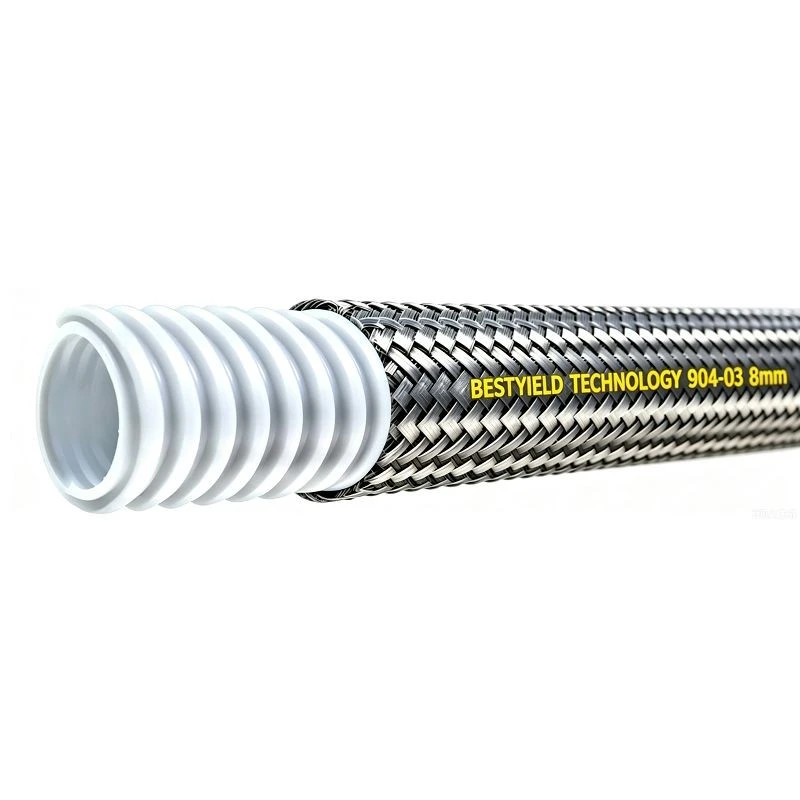
Let's say you're making borosilicate glass, which has a high boron content. The chemicals used to introduce boron might be quite reactive. Using a PTFE tube to deliver these chemicals ensures that the tube won't react with the additives, and the glass quality remains consistent. You can check out our Convoluted PTFE Outside Braided Tubing for a more flexible option that still offers great chemical resistance.
Low Friction for Material Flow
In the glass manufacturing process, smooth material flow is crucial. The low friction coefficient of PTFE tubes makes them ideal for transporting materials like molten glass additives or even small glass particles. When materials can flow smoothly through the tubes, it reduces the chances of clogging, which can disrupt the production process.
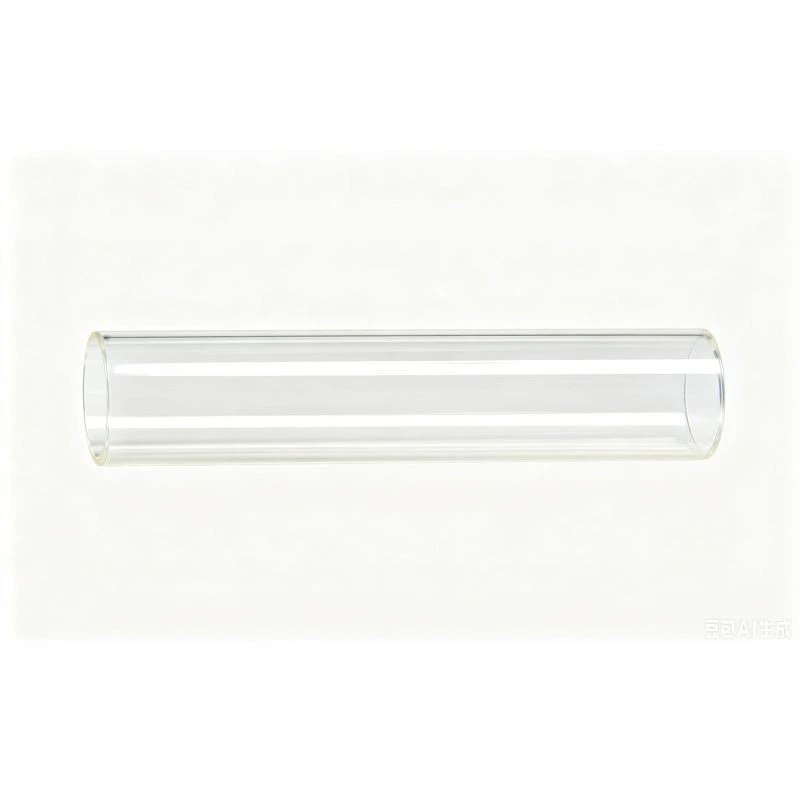
Our Smooth PTFE Tubing is a great choice for applications where a straight - through, low - friction flow is needed. It allows for the efficient movement of substances, ensuring that the glass manufacturing process runs as smoothly as possible.
Flexibility and Durability
In a glass manufacturing plant, there are all kinds of complex setups and machinery. PTFE tubes can be quite flexible, which allows them to be easily installed in different spaces and around various equipment. They can also withstand bending and twisting without losing their integrity.
For applications where more protection is needed, our Smooth PTFE Outside Braided Tubing provides an extra layer of durability. The braided outer layer adds strength to the tube, making it more resistant to abrasion and physical damage, which can be common in a busy manufacturing environment.
Cleanliness and Purity
The glass industry often requires high - purity materials to ensure the quality of the final product. PTFE is a very clean material. It doesn't release any particles or contaminants, which is a huge advantage when making high - quality glass.
If you're involved in making optical glass or glass for electronic applications, where even the slightest impurity can affect the performance, using PTFE tubes for transporting substances is a smart move. This ensures that the glass remains as pure as possible throughout the manufacturing process.
Challenges and Limitations
Of course, PTFE tubes aren't a one - size - fits - all solution for glass manufacturing. As mentioned earlier, PTFE's maximum continuous service temperature is around 260°C. In the main melting areas of a glass furnace where temperatures are extremely high, PTFE tubes won't work because they'll start to degrade.
Also, although PTFE is chemically resistant to most substances, there are some very aggressive chemicals at high temperatures that can still cause problems. So, it's essential to carefully assess the specific conditions of the glass manufacturing process before deciding to use PTFE tubes.
Conclusion
So, can PTFE tubes be used in glass manufacturing? The answer is yes, but with some limitations. They offer a range of benefits like high - temperature resistance within a certain range, chemical resistance, low friction, flexibility, and cleanliness. They can be used in various parts of the glass manufacturing process, such as additive delivery and transporting substances in lower - temperature zones.
If you're in the glass manufacturing business and think PTFE tubes could be a good fit for your operations, don't hesitate to reach out. We'd be more than happy to discuss your specific needs and help you find the right PTFE tube solution, whether it's our Convoluted PTFE Tubing or another option. Let's start a conversation and see how we can make your glass manufacturing process even better!
References
- "PTFE Handbook: Properties, Applications, and Engineering Considerations"
- "Glass Manufacturing Technology: Principles and Practice"
- Industry research reports on PTFE use in high - temperature and chemical - resistant applications