




What is the fire - retardant grade of IIR EPDM hose?
 Nov 12, 2026|
Hey there! As a supplier of IIR+EPDM hoses, I often get questions about the fire - retardant grade of our products. So, I thought I'd break it down for you in this blog post.
Understanding IIR+EPDM Hoses
First off, let's talk a bit about what IIR+EPDM hoses are. IIR stands for Butyl Rubber, and EPDM stands for Ethylene Propylene Diene Monomer. Combining these two types of rubber creates a hose that has the best of both worlds. IIR is known for its excellent airtightness and resistance to chemicals, while EPDM is praised for its weather resistance, heat resistance, and flexibility.
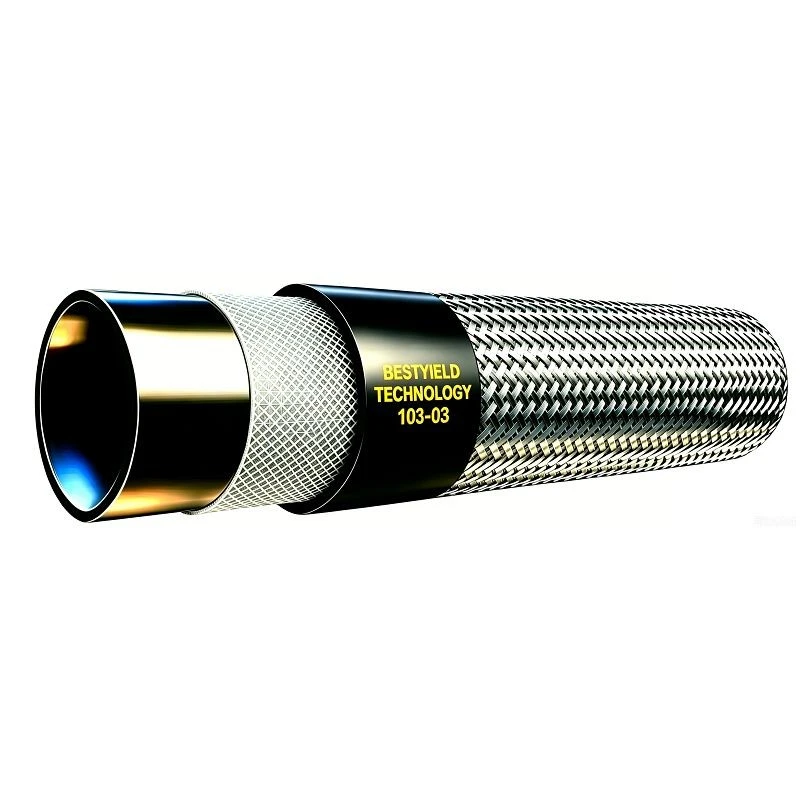
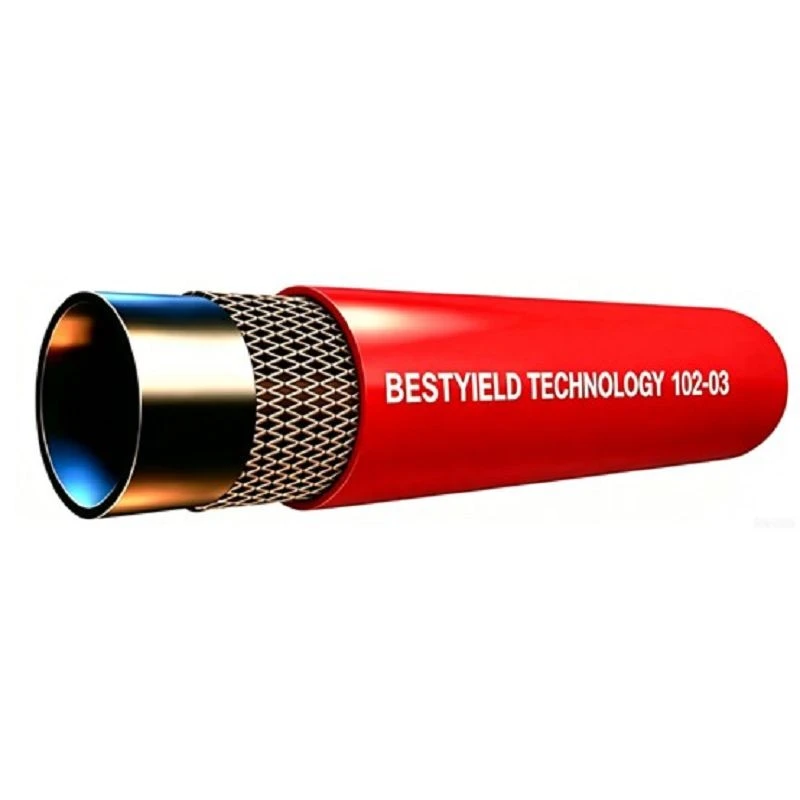
Our company offers a variety of IIR+EPDM hoses, including IIR+EPDM Tubing, IIR+EPDM Outside Braided Hose, and IIR+EPDM Inside Braided Hose. Each type has its own unique features and applications, but today, we're focusing on their fire - retardant properties.
Fire - Retardant Grades Explained
Fire - retardant grades are a way to measure how well a material can resist catching fire and spreading flames. There are different standards and tests around the world, but one of the most commonly used is the UL 94 standard in the United States.
UL 94 Standard
The UL 94 standard classifies materials based on their flammability. The classes range from V - 0 (the highest fire - retardant rating) to HB (the lowest).
- V - 0: Materials in this class stop burning within 10 seconds after the ignition source is removed. They also don't drip flaming particles that could ignite other materials.
- V - 1: These materials stop burning within 30 seconds after the ignition source is removed. Similar to V - 0, they don't drip flaming particles.
- V - 2: V - 2 materials stop burning within 30 seconds, but they may drip flaming particles that can ignite cotton wool placed below the test sample.
- HB: This is the least fire - retardant class. Materials in the HB class burn slowly, and the burn rate is less than a certain value depending on the thickness of the sample.
Fire - Retardant Grade of IIR+EPDM Hoses
The fire - retardant grade of IIR+EPDM hoses can vary depending on several factors, such as the formulation of the rubber compound, the thickness of the hose, and any additional fire - retardant additives used.
Natural Fire - Retardant Properties
On their own, IIR and EPDM rubbers have some natural resistance to fire. EPDM, for example, has a relatively high ignition temperature, which means it takes more heat to start burning. However, this natural resistance may not be enough to meet strict fire - safety requirements in some applications.
Fire - Retardant Additives
To enhance the fire - retardant properties of our IIR+EPDM hoses, we often add special fire - retardant additives to the rubber compound. These additives work in different ways. Some release gases that dilute the oxygen around the fire, while others form a protective char layer on the surface of the hose, which insulates it from the heat and slows down the burning process.
Achievable Fire - Retardant Grades
With the right combination of materials and additives, our IIR+EPDM hoses can achieve different fire - retardant grades. In many cases, we can produce hoses that meet the V - 1 or V - 2 standards of the UL 94 classification. This makes them suitable for use in a wide range of applications where fire safety is a concern, such as in the automotive, industrial, and marine sectors.
Applications and Fire - Safety Requirements
Automotive Applications
In the automotive industry, IIR+EPDM hoses are used for various purposes, such as coolant hoses, fuel vapor hoses, and air intake hoses. Fire safety is a critical concern, especially in the engine compartment where there are high temperatures and potential ignition sources. Our hoses with good fire - retardant grades can help prevent fires from spreading in case of a malfunction or accident.
Industrial Applications
In industrial settings, IIR+EPDM hoses are used to transfer chemicals, gases, and liquids. Some industrial environments have strict fire - safety regulations, and our fire - retardant hoses can meet these requirements. For example, in a chemical plant, where there may be flammable substances present, using hoses with a high fire - retardant grade can reduce the risk of fire hazards.
Marine Applications
On boats and ships, IIR+EPDM hoses are used for water, fuel, and air systems. The confined spaces on ships and the presence of flammable fuels make fire safety a top priority. Our fire - retardant hoses can provide an extra layer of protection in case of a fire on board.
Why Choose Our IIR+EPDM Hoses
- Quality Assurance: We have a strict quality control process in place to ensure that our hoses meet the highest standards, including fire - retardant requirements.
- Customization: We can customize the fire - retardant grade of our hoses according to your specific needs. Whether you need a V - 1 or V - 2 grade hose, we can work with you to develop the right product.
- Expertise: Our team has years of experience in the rubber hose industry. We know how to formulate the right rubber compounds and use the appropriate fire - retardant additives to achieve the desired fire - retardant performance.
Let's Talk!
If you're in the market for IIR+EPDM hoses and have questions about their fire - retardant grade or any other aspect of our products, don't hesitate to reach out. We're here to help you find the best solution for your application. Whether you need a small quantity for a prototype or a large order for a production line, we're ready to serve you.
References
- UL 94 Standard for Tests for Flammability of Plastic Materials for Parts in Devices and Appliances.
- Rubber Technology Handbook, Third Edition by Werner Hofmann.